
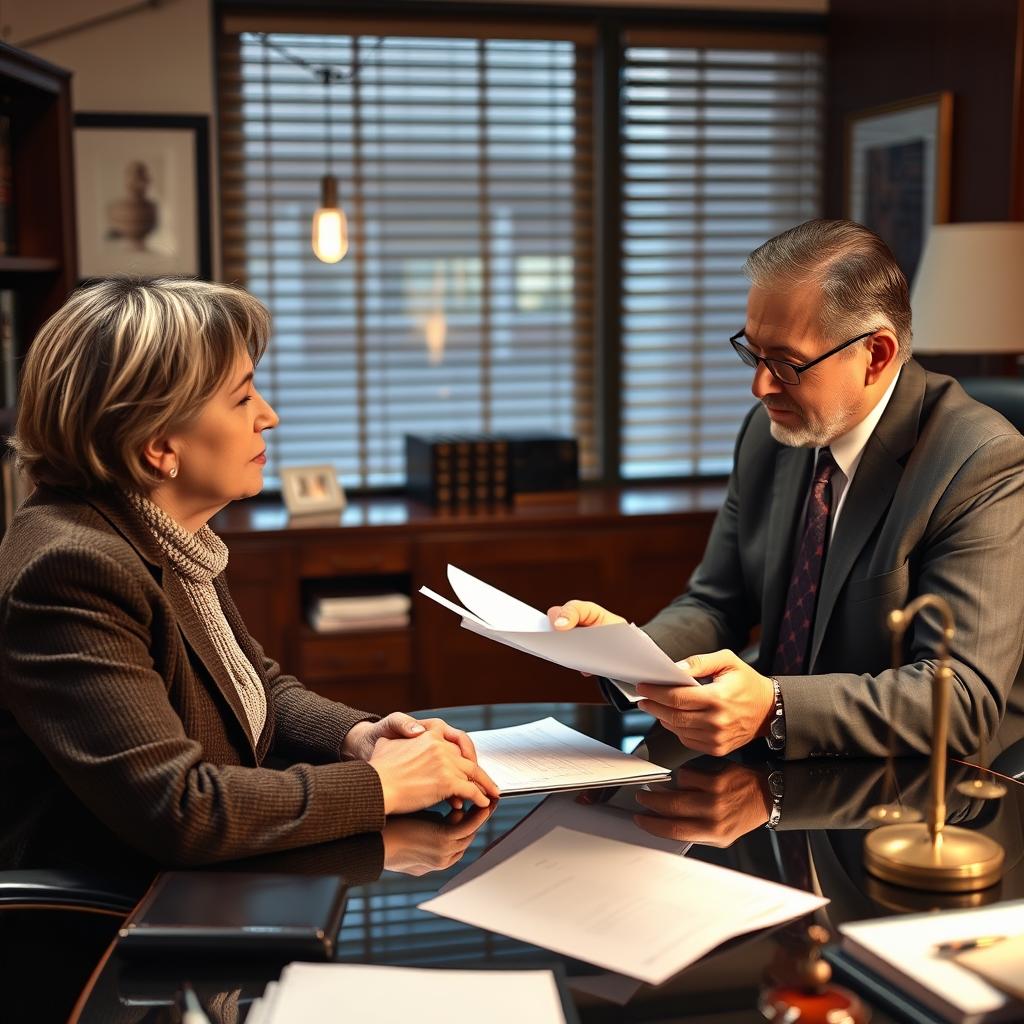
Nursing Home Abuse Lawyer Queens
If you suspect a loved one is being mistreated in a Queens nursing home, you need a Nursing Home Abuse Lawyer Queens immediately. Law Offices Of SRIS, P.C.—Advocacy Without Borders. provides direct legal action against facilities for neglect, abuse, and financial exploitation. New York statutes provide strong civil remedies for victims and their families. SRIS, P.C. (Confirmed by SRIS, P.C.)
Statutory Definition of Nursing Home Abuse in New York
Nursing home abuse in Queens is governed by New York Public Health Law § 2801-d — a civil statute allowing for compensatory and punitive damages against residential health care facilities. This law creates a private right of action for any deprivation of rights or injuries to a resident. It covers failures in care that cause physical harm, emotional distress, or financial loss. The statute operates alongside other New York codes like the Social Services Law protecting vulnerable adults. Violations can lead to significant financial liability for the facility, its owners, and staff.
These cases are distinct from criminal prosecutions, though criminal charges can also apply. The civil claim under § 2801-d is the primary tool for families to seek justice and compensation. It addresses systemic failures and individual acts of misconduct within a facility. The law defines a broad standard of care that nursing homes must meet. Breaches of this standard form the basis for a lawsuit.
What specific acts constitute abuse under New York law?
Abuse includes physical assault, sexual misconduct, unreasonable physical restraint, and verbal intimidation. Neglect includes failure to provide adequate food, water, hygiene, medical care, or safety measures. Financial exploitation involves the unauthorized use of a resident’s funds or property. Any act that causes avoidable injury or creates a serious risk of harm is actionable. Documentation of these acts is critical for building a strong case.
How does New York law define the standard of care for nursing homes?
The standard requires facilities to provide care that maintains the highest practicable physical, mental, and psychosocial well-being of each resident. This is based on thorough assessments and individualized care plans. The facility must have sufficient nursing staff to meet resident needs 24 hours a day. Failures in staffing, training, or policy execution breach this standard. This statutory duty is non-delegable and forms the core of most negligence claims.
What is the difference between a civil claim and a criminal complaint?
A civil lawsuit is filed by the victim or family to obtain monetary damages for injuries suffered. A criminal complaint is brought by the state to punish the perpetrator with fines or imprisonment. The two actions are separate but can proceed simultaneously. Evidence from a criminal investigation can be used in the civil case. A personal injury attorney handles the civil claim for compensation.
The Insider Procedural Edge in Queens Courts
Nursing home abuse cases in Queens are typically filed in the Queens County Supreme Court, Civil Term, located at 88-11 Sutphin Blvd, Jamaica, NY 11435. This court handles all civil matters where damages sought exceed the jurisdictional limits of lower courts. The procedural timeline from filing to trial can span two to four years, depending on case complexity. Filing fees and motion costs are set by court rules and must be paid to initiate the action. Knowing the specific judges and their tendencies in these cases is a distinct advantage.
Queens courts see a high volume of personal injury and medical malpractice litigation. Nursing home abuse cases are treated with seriousness due to the vulnerable population involved. The court clerk’s Location requires specific forms for initiating a lawsuit, including a summons and complaint. Pre-trial discovery, including depositions of staff and administrators, is extensive. Procedural specifics for Queens are reviewed during a Consultation by appointment at our Queens Location.
What is the typical timeline for a nursing home abuse lawsuit in Queens?
A case can take several years from filing to a potential jury verdict. The discovery phase alone often lasts 12 to 18 months. Mediation or settlement conferences are usually ordered by the court before a trial date is set. Complex cases involving multiple defendants or severe injuries take longer. An experienced lawyer manages this timeline to maintain pressure for a fair resolution.
What are the key documents needed to start a case?
Essential documents include the resident’s admission agreement, all medical records from the facility, incident reports, and photographs of injuries. Staffing records and state inspection reports are also crucial. Financial records are needed for exploitation claims. Family correspondence with the facility can demonstrate notice of problems. A lawyer subpoenas these documents during the discovery process.
How are experienced witnesses used in these cases?
experienced witnesses, such as geriatric physicians and nursing home administrators, are required to establish the standard of care and its breach. They testify that the facility’s actions directly caused the resident’s injuries. Their opinions are foundational to proving negligence. The cost for retaining these experienced attorneys is a necessary case expense. Their credibility often determines the outcome at trial or settlement.
Penalties & Defense Strategies for Facilities
The most common penalty in a successful lawsuit is a substantial monetary damage award to the victim and family. Damages cover medical expenses, pain and suffering, and sometimes punitive damages to punish egregious conduct. New York does not cap compensatory damages in these cases. The facility may also face regulatory penalties from the New York State Department of Health. These can include fines, conditional licenses, or even closure for repeated violations.
| Offense / Violation | Potential Penalty / Consequence | Notes |
|---|---|---|
| Neglect Leading to Injury | Compensatory damages for medical bills, pain & suffering. | Jury determines amount based on evidence of harm. |
| Willful or Reckless Conduct | Punitive damages to deter future misconduct. | Awarded also to compensatory damages. |
| Violation of NY Public Health Law § 2801-d | Statutory damages for deprivation of rights. | Provides a direct cause of action for residents. |
| Financial Exploitation | Restitution of funds plus potential treble damages. | Pursued under elder abuse and consumer protection laws. |
| Regulatory Violations (DOH) | Fines, mandated corrections, license suspension. | Separate from civil lawsuit; reported to state authorities. |
[Insider Insight] Queens prosecutors and plaintiff attorneys are increasingly coordinating when abuse rises to criminal levels. The District Attorney’s Location may pursue charges for assault, endangerment, or fraud. Evidence from a parallel criminal case strengthens the civil claim. Facilities often settle quickly when criminal charges are filed to avoid public trial exposure. A lawyer who understands this interplay can maximize use for the family.
What defenses do nursing homes typically use?
Facilities often claim the resident’s injuries were caused by pre-existing conditions or unavoidable accidents. They argue that care was provided within accepted standards. They may blame understaffing on systemic industry issues rather than negligence. Defense lawyers try to shift blame to the resident, family, or third-party contractors. A strong legal team anticipates and dismantles these defenses with medical evidence and facility records.
How are damages calculated for pain and suffering?
Damages are not based on a fixed formula. The jury considers the severity and duration of the pain, the nature of the abuse, and the impact on the resident’s life. Testimony from family and medical experienced attorneys guides this calculation. In cases of wrongful death, damages include grief and loss of companionship. An experienced medical malpractice lawyer knows how to present this evidence effectively.
What is the impact of a prior state inspection report?
History of violations cited by the New York State Department of Health is powerful evidence. It shows a pattern of non-compliance and notice to the facility. These reports can be used to prove knowledge of dangerous conditions. They undermine the facility’s claim that any incident was an isolated mistake. Obtaining these reports is a standard part of case investigation.
Why Hire SRIS, P.C. for Your Queens Nursing Home Abuse Case
Our lead attorney for these matters has over fifteen years of litigation experience in New York civil courts. This attorney has handled numerous complex personal injury and institutional negligence cases. They understand the medical and regulatory frameworks governing nursing homes in Queens. They work directly with medical experienced attorneys to build compelling evidence for trial. Their focus is on achieving accountability and securing necessary resources for the victim’s care.
SRIS, P.C. approaches each case with a detailed investigation plan. We immediately secure all relevant medical and facility records. We consult with geriatric care focused practitioners to assess the full extent of harm. We identify all potentially liable parties, including corporate owners and staffing agencies. Our goal is to build an undeniable case that forces a fair settlement or wins at trial.
The firm is committed to advocacy for vulnerable populations. We treat clients with the dignity and respect they were denied by the facility. We communicate clearly about case strategy and progress. We advance all case costs, so families face no financial barrier to pursuing justice. You need a Nursing Home Abuse Lawyer Queens who fights without reservation.
What specific experience does your team have with Queens courts?
Our attorneys are familiar with the procedures and personnel of the Queens County Supreme Court. We have litigated cases before the judges who hear these matters. We know the local rules for filing, discovery, and motion practice. This familiarity prevents procedural delays and keeps the case on track. Local experience is a tangible advantage in litigation.
How do you investigate a nursing home abuse claim?
We start with a confidential interview with the family and, if possible, the resident. We subpoena the resident’s complete chart and the facility’s internal records. We review state inspection and deficiency reports. We often retain a private nurse to conduct a patient assessment. This thorough approach uncovers the full scope of negligence.
Localized FAQs for Queens Families
What are the signs of nursing home abuse or neglect?
Unexplained bruises, fractures, bedsores, sudden weight loss, poor hygiene, and emotional withdrawal are common signs. Medication errors, frequent infections, and unsafe living conditions also indicate neglect. Financial abuse may show as missing belongings or unexplained bank withdrawals. Report any suspicion to the facility administrator and the New York State Department of Health immediately.
How long do I have to file a lawsuit in Queens?
The statute of limitations for nursing home negligence in New York is generally three years from the date of injury. For wrongful death, it is two years from the date of death. These deadlines are strict and absolute. Consult a lawyer immediately to preserve your right to sue. Delaying can forfeit your claim permanently.
Who can be held liable for abuse in a nursing home?
Liability can extend to the facility itself, its corporate owners, administrators, nurses, aides, and even third-party contractors. If the facility is part of a larger chain, the parent company may also be responsible. An attorney investigates the corporate structure to identify all sources of recovery. Holding multiple parties accountable increases the chance of full compensation.
What should I do if I suspect my loved one is being abused?
Document everything with notes, dates, and photographs. Report your concerns in writing to the facility’s director of nursing and administrator. File a complaint with the New York State Department of Health at 1-888-201-4563. Remove your loved one to a safe location if imminent danger exists. Contact a Queens elder law attorney for legal guidance immediately.
Can I sue for emotional distress caused by the abuse?
Yes, compensation for emotional pain and suffering is a standard element of damages in these cases. This includes anxiety, depression, humiliation, and loss of enjoyment of life. The resident’s own testimony and psychiatric evaluations support this claim. Family members may also have claims for negligent infliction of emotional distress in certain circumstances.
Proximity, CTA & Disclaimer
SRIS, P.C. provides legal services for Queens residents facing nursing home abuse cases. Our team is accessible to clients throughout the borough. Consultation by appointment. Call 24/7. We will review the details of your situation and explain your legal options. Protecting the rights of vulnerable seniors is a critical mission.
If you need a Nursing Home Abuse Lawyer Queens, do not wait. Evidence can be lost, memories fade, and statutory deadlines pass. Take immediate action to protect your family’s rights. Contact SRIS, P.C. to begin the process of holding negligent facilities accountable.
Past results do not predict future outcomes.