
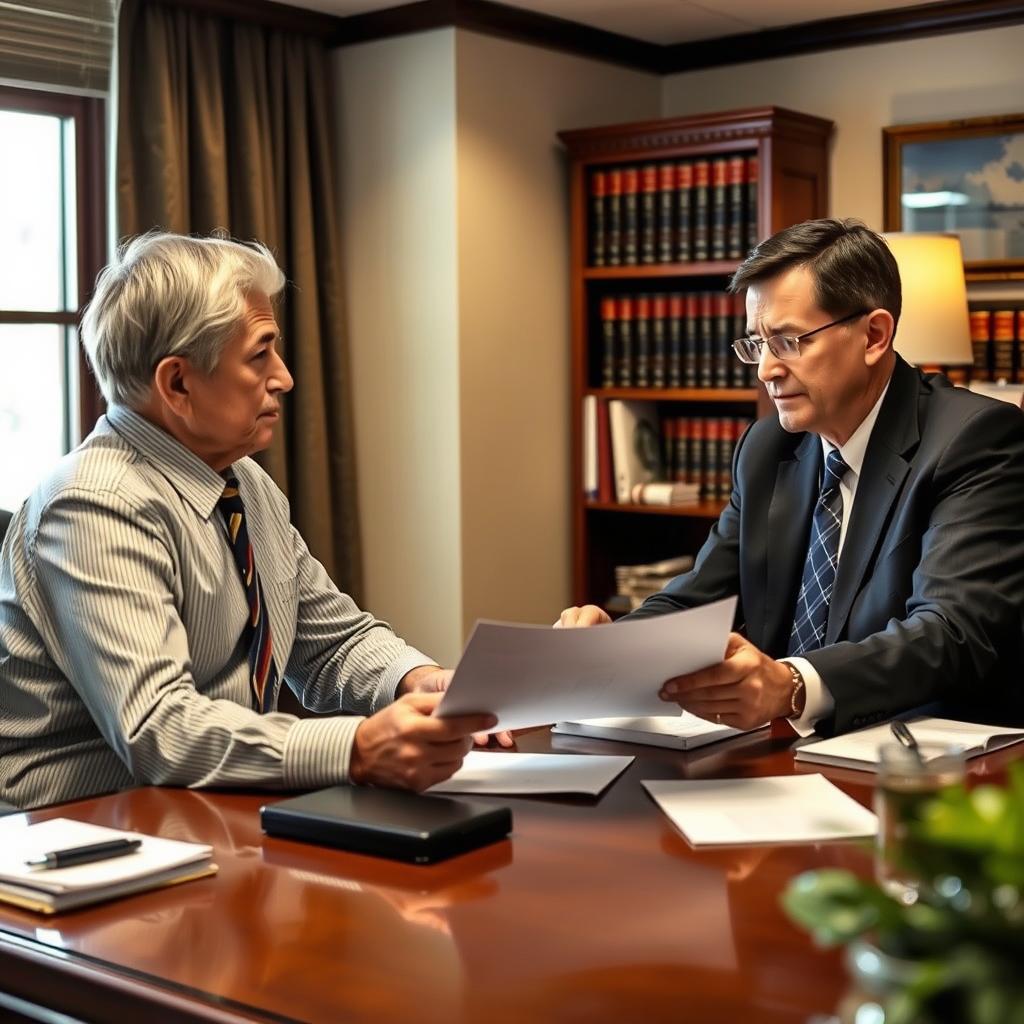
Nursing Home Abuse Lawyer Otsego County
If you suspect nursing home abuse in Otsego County, you need a lawyer who knows New York law. Law Offices Of SRIS, P.C. —Advocacy Without Borders. can help. These cases involve state statutes and complex civil procedures. A Nursing Home Abuse Lawyer Otsego County from SRIS, P.C. will investigate neglect, file claims, and seek compensation for your family. (Confirmed by SRIS, P.C.)
Statutory Definition of Nursing Home Abuse in New York
Nursing home abuse in Otsego County is governed by New York Public Health Law § 2803-d and the Nursing Home Reform Act. These laws define abuse as the willful infliction of injury, unreasonable confinement, intimidation, or punishment resulting in physical harm, pain, or mental anguish. Neglect is the failure to provide goods and services necessary to avoid physical harm or mental anguish. Violations can lead to civil liability and regulatory penalties from the New York State Department of Health.
New York law imposes strict standards on long-term care facilities. The legal framework protects residents’ rights to dignity and proper care. A civil lawsuit for damages is the primary remedy for victims and their families. These cases are distinct from criminal prosecutions, which require a higher burden of proof. Understanding these statutes is the first step in building a claim.
Facilities in Otsego County must comply with both state and federal regulations. The Omnibus Budget Reconciliation Act (OBRA) sets national standards for care. Violations can trigger investigations and fines. Your lawyer must know how to use these regulations to support your case. Evidence of systemic failures can significantly strengthen a claim for damages.
What constitutes neglect under New York law?
Neglect is the failure to meet a resident’s basic needs. This includes inadequate medical care, poor hygiene, dehydration, malnutrition, and untreated bedsores. The standard is whether the facility provided care consistent with professional standards. Documentation of repeated failures is key to proving a case. Family observations and medical records are critical evidence.
How does New York define emotional or psychological abuse?
Emotional abuse involves verbal assaults, threats, humiliation, or isolation. New York recognizes this as causing mental anguish. It does not require physical injury. Proof often comes from witness statements, changes in the resident’s behavior, and staff records. This form of abuse can be grounds for significant non-economic damages in a lawsuit.
What are the reporting requirements for abuse in Otsego County?
Suspected abuse must be reported to the New York State Department of Health. Mandated reporters include facility staff, medical professionals, and social workers. Families can also file reports directly. A report triggers an investigation but does not replace a civil lawsuit. Your lawyer can ensure all proper channels are used to document the abuse. Learn more about Virginia legal services.
The Insider Procedural Edge in Otsego County
Nursing home abuse cases in Otsego County are filed in the New York State Supreme Court for Otsego County. The court is located at 197 Main Street, Cooperstown, NY 13326. This is the trial court of general jurisdiction for civil lawsuits seeking monetary damages. Procedural rules are strict, and missing a deadline can end your case.
You must file a summons and complaint to initiate a lawsuit. The statute of limitations for personal injury from nursing home abuse in New York is generally three years from the date of injury. However, discovery rules can affect this timeline. The court requires specific factual allegations in the complaint. Vague claims are likely to be dismissed.
The filing fee for a civil action in Supreme Court varies based on the amount of damages sought. For claims over a certain threshold, the fee is several hundred dollars. These costs are typically advanced by your legal team. The court’s procedural calendar can impact how quickly your case moves. Local rules demand precise adherence to motion practice and discovery schedules.
What is the typical timeline for a nursing home abuse lawsuit?
A civil case can take one to three years to reach resolution. The timeline includes filing, discovery, pre-trial motions, and potential trial. Discovery involves exchanging medical records, deposing staff, and hiring experienced attorneys. Most cases settle during this phase. Your lawyer’s efficiency in managing discovery directly affects the speed of your case.
What evidence is most critical in the early stages?
Medical records are the cornerstone of any nursing home abuse claim. Photographs of injuries or poor conditions are also vital. Witness statements from other residents or visitors can be powerful. Preserve all communications with the facility. Your lawyer will secure this evidence immediately to prevent its loss or destruction. Learn more about criminal defense representation.
Penalties & Defense Strategies for Nursing Home Claims
The most common outcome in a successful nursing home abuse case is a financial settlement or jury award for damages. These are civil cases, so penalties are monetary, not criminal. Damages compensate the victim and family for losses. Awards can cover medical bills, pain and suffering, and sometimes punitive damages.
| Offense / Claim | Potential Penalty / Damages | Notes |
|---|---|---|
| Medical Negligence / Malpractice | Economic damages (medical costs) + non-economic damages (pain/suffering) | Requires experienced testimony to prove standard of care breach. |
| Neglect (e.g., Bedsores, Falls) | Compensatory damages for injury and related care. | Focus is on facility’s failure to provide basic care and prevent harm. |
| Emotional or Psychological Abuse | Damages for mental anguish and emotional distress. | Harder to quantify but recognized under New York law. |
| Wrongful Death | Damages for conscious pain/suffering of decedent + losses to estate. | Filed by the estate’s executor; has a specific two-year statute of limitations. |
[Insider Insight] Defense lawyers for nursing homes often argue that the resident’s decline was due to natural aging or pre-existing conditions. They attack the causal link between facility care and the injury. Otsego County judges expect clear, direct evidence connecting specific failures to specific harms. Anticipating these arguments shapes how we build a case from day one.
Facilities also use procedural defenses, like claiming you signed an arbitration agreement. These agreements attempt to force claims into private arbitration. A lawyer must review any admissions documents to challenge the validity of such clauses. New York courts have specific rules about the enforceability of these agreements in nursing home cases.
What are punitive damages and when do they apply?
Punitive damages punish egregious misconduct and deter future abuse. They apply when conduct is willful, reckless, or malicious. An example is intentionally ignoring a severe bedsore. These damages are not for compensation but for punishment. They require clear and convincing evidence of reprehensible conduct.
How does contributory negligence affect a claim in New York?
New York uses a pure comparative negligence rule. A resident’s own negligence reduces their damage award proportionally. If a resident is found 20% at fault, they recover 80% of damages. The defense will try to assign blame to the resident or family. We counter this with evidence of the facility’s overriding duty of care. Learn more about DUI defense services.
Why Hire SRIS, P.C. for Your Otsego County Case
Attorney Profile: Our lead counsel for complex injury litigation has over 15 years of trial experience. This attorney has handled numerous cases involving vulnerable adult protection and institutional negligence. Their practice is dedicated to holding powerful entities accountable for the harm they cause.
SRIS, P.C. provides focused representation for nursing home abuse claims in Otsego County. We understand the local court system and the tactics used by nursing home defense firms. Our approach is direct: investigate thoroughly, document everything, and build an undeniable case for liability. We work with medical experienced attorneys, forensic focused practitioners, and life care planners to quantify damages.
Our firm difference is a relentless focus on the facts that win cases. We do not just file paperwork; we develop a litigation strategy designed for your specific situation. We prepare every case as if it will go to trial. This readiness forces stronger settlement offers. Your family’s need for justice and security guides every decision we make.
Procedural specifics for Otsego County are reviewed during a Consultation by appointment at our New York Location. We analyze medical records, facility policies, and staffing reports. We identify regulatory violations that strengthen your claim. Our goal is to secure maximum compensation to provide for your loved one’s future care and needs.
Localized FAQs for Otsego County Families
What is the first step if I suspect abuse in an Otsego County nursing home?
Ensure your loved one’s immediate safety. Then, contact a Nursing Home Abuse Lawyer Otsego County from SRIS, P.C. to discuss the legal options. Do not confront the facility directly without legal advice, as it may trigger evidence destruction. Learn more about our experienced legal team.
How long do I have to file a lawsuit for nursing home abuse in New York?
The statute of limitations is generally three years from the date of injury or discovery. For wrongful death, it is two years from the date of death. These deadlines are absolute; missing them forfeits your claim.
What kind of compensation can we recover in a nursing home neglect case?
You can recover costs for medical treatment, pain and suffering, emotional distress, and sometimes punitive damages. Compensation covers both past expenses and the future cost of care required due to the neglect.
Can I sue a nursing home if my loved one passed away from suspected neglect?
Yes. The estate’s executor can file a wrongful death lawsuit. This claim seeks damages for the resident’s pain before death and the family’s pecuniary losses. You need an experienced lawyer to handle this process.
What does it cost to hire a nursing home abuse lawyer?
SRIS, P.C. handles these cases on a contingency fee basis. You pay no upfront legal fees. Our payment is a percentage of the financial recovery we secure for you. If there is no recovery, you owe no attorney’s fee.
Proximity, CTA & Disclaimer
SRIS, P.C. serves clients throughout Otsego County, New York. Our New York Location is positioned to provide effective legal advocacy for residents of Cooperstown, Oneonta, and all surrounding communities. We are accessible to families dealing with the crisis of nursing home abuse or neglect.
Consultation by appointment. Call 24/7. We will review the details of your situation and explain your legal rights. Do not delay in seeking help, as evidence fades and legal deadlines approach.
Law Offices Of SRIS, P.C.
Phone: [PHONE NUMBER FROM FIRMINFO]
Advocacy Without Borders.
Past results do not predict future outcomes.