
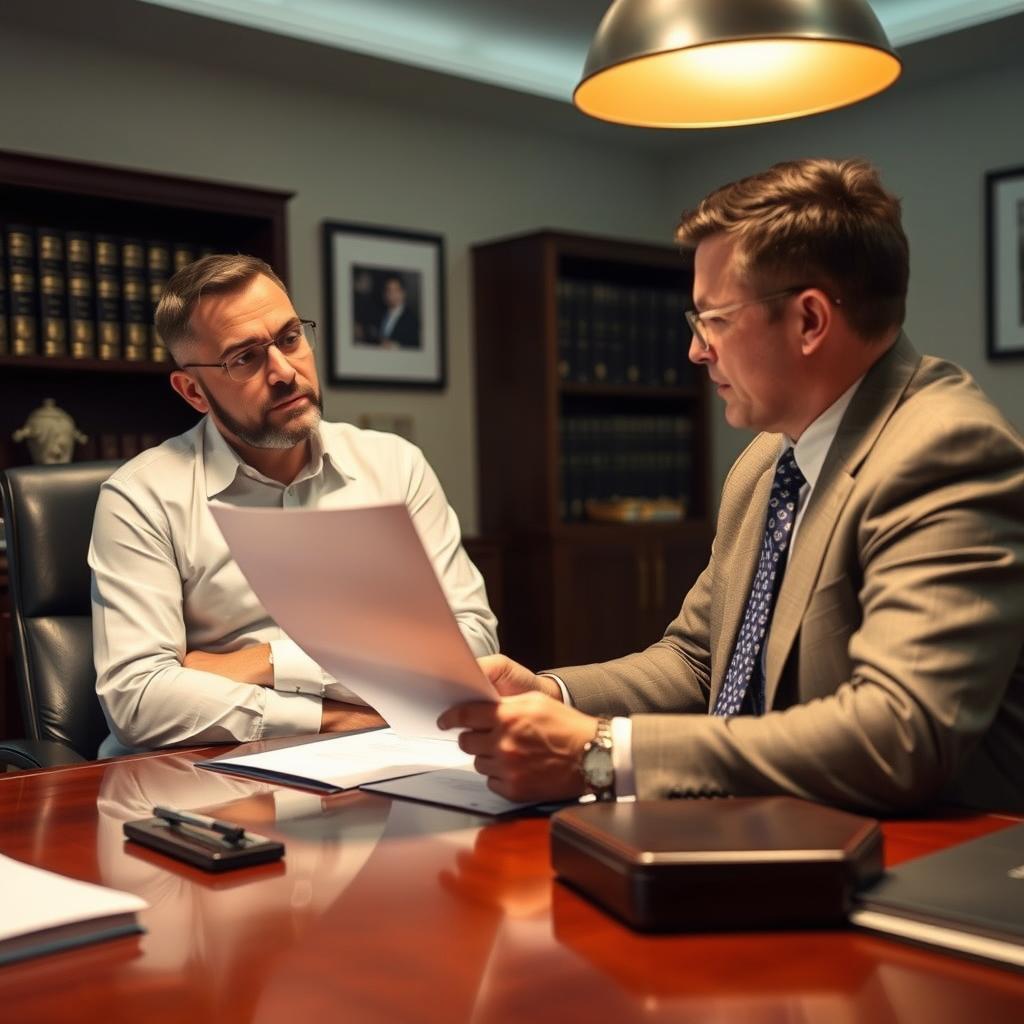
Bad Faith Insurance Lawyer Albany County
You need a Bad Faith Insurance Lawyer Albany County when your insurer denies a valid claim without a reasonable basis. Law Offices Of SRIS, P.C. —Advocacy Without Borders. New York law imposes strict duties on insurers to investigate and pay claims fairly. A bad faith lawsuit can recover your full policy benefits plus extra damages. SRIS, P.C. (Confirmed by SRIS, P.C.)
Statutory Definition of Insurance Bad Faith in New York
New York recognizes insurance bad faith through common law and statutory provisions like New York Insurance Law § 2601, which defines unfair claim settlement practices. An insurer acts in bad faith when it fails to act in good faith by unreasonably delaying or denying payment on a valid claim. The legal standard requires proving the insurer’s conduct was a “gross disregard” for the insured’s rights. This is more than a simple mistake; it is a conscious or reckless indifference. A successful bad faith claim in Albany County can result in compensatory damages, consequential damages, and potentially punitive damages in egregious cases. The burden of proof rests with the policyholder to demonstrate the insurer’s unreasonable conduct.
What constitutes a “valid claim” under New York law?
A valid claim is one where the loss is covered by the policy’s terms and conditions. The policyholder must have complied with all policy requirements, such as timely notice and proof of loss. The insurer must then conduct a prompt and thorough investigation. Denying a claim without completing this investigation is often a sign of bad faith. An Albany County judge will examine the policy language and the facts of the loss.
How does New York’s “gross disregard” standard differ from other states?
New York’s “gross disregard” standard is stricter than the simple “reasonableness” test used in some states. It requires evidence the insurer intentionally or recklessly ignored its obligations. Mere negligence or an honest error in judgment is typically insufficient. This high bar makes experienced legal counsel from a firm like SRIS, P.C. critical for building a strong case in Albany County Supreme Court.
What statutory penalties can be imposed under New York Insurance Law?
Beyond a lawsuit for damages, the New York Department of Financial Services can penalize insurers for unfair practices. Fines can be substantial for each violation. These regulatory actions support a private bad faith lawsuit by establishing a pattern of conduct. Your Bad Faith Insurance Lawyer Albany County can use evidence of regulatory findings to strengthen your civil case.
The Insider Procedural Edge in Albany County
Bad faith insurance lawsuits in Albany County are typically filed in the New York State Supreme Court, Albany County, located at 16 Eagle St, Albany, NY 12207. This court handles civil matters where the amount in controversy exceeds the jurisdictional limits of lower courts. The procedural timeline from filing a complaint to trial can span 18 to 36 months, depending on case complexity and court dockets. Filing fees are set by statute and must be paid at initiation. Local rules require strict adherence to discovery deadlines and motion practice schedules. Albany County judges expect precise legal arguments supported by clear evidence of the insurer’s conduct.
What is the first document filed in a bad faith lawsuit?
The Summons and Complaint is the initiating document that starts the lawsuit. It must detail the insurance policy, the claim denial, and the factual basis for alleging bad faith. This document is served on the insurer, who then has a set time to answer. Drafting a compelling complaint is a strategic task for your insurance company bad faith lawyer Albany County. Learn more about Virginia legal services.
The legal process in Albany County follows specific procedural requirements that affect case timelines and outcomes. Courts in this jurisdiction apply local rules that may differ from neighboring areas. An attorney familiar with Albany County court procedures can identify procedural advantages relevant to your situation.
How long does the discovery process typically take?
Discovery in a complex bad faith case often takes 12 to 18 months. This phase involves exchanging documents, depositions of insurance adjusters and executives, and written interrogatories. The goal is to uncover internal company communications and claim handling manuals. SRIS, P.C. attorneys use this process to build evidence of unreasonable practices.
Are there mandatory settlement conferences in Albany County?
Yes, the court typically orders at least one settlement conference before trial. These conferences are held before a judge or court referee. They provide an opportunity to resolve the case without the cost and risk of a trial. Having a lawyer with negotiation experience is crucial at this stage.
Penalties & Defense Strategies for Insurers
The most common penalty in a successful bad faith case is payment of the full underlying insurance benefits plus consequential damages. Courts can award damages that flow directly from the wrongful denial, such as additional financial losses. In cases of truly egregious conduct, punitive damages may be available to punish the insurer.
Virginia law establishes specific statutory frameworks that govern these matters. Each case involves unique factual circumstances that require careful legal analysis. SRIS, P.C. attorneys evaluate every relevant factor when developing case strategy for clients in Albany County. Learn more about criminal defense representation.
| Offense / Finding | Penalty / Remedy | Notes |
|---|---|---|
| Breach of Contract (Wrongful Denial) | Payment of policy benefits owed. | This is the base recovery for the covered loss. |
| Consequential Damages | Compensation for additional losses caused by the denial. | Can include business losses, credit damage, or extra costs. |
| Pre-Judgment Interest | Interest on the owed benefits from the date they were due. | Statutory rate applies, increasing the total recovery. |
| Punitive Damages | Monetary award to punish and deter outrageous conduct. | Granted only in cases of gross, wanton, or willful fraud. |
| Attorney’s Fees & Costs | Potential recovery of legal expenses incurred to sue the insurer. | Not automatically awarded; depends on specific statute or court finding. |
[Insider Insight] Albany County prosecutors do not handle civil bad faith cases, but the local judiciary is familiar with insurance disputes. Judges here scrutinize the insurer’s internal claim file. They look for patterns of delay, inadequate investigations, or misapplication of policy language. A strong defense strategy involves a careful review of the claim handling process from day one.
What are “consequential damages” in a bad faith claim?
Consequential damages are losses that are a foreseeable result of the wrongful denial. For example, if a denied property claim leads to a business shutting down, those lost profits may be recoverable. These damages go beyond the face value of the insurance policy. Proving the direct causal link is essential.
When are punitive damages awarded in New York?
Punitive damages are rare and require proof of morally culpable conduct. This means evidence of fraud, malice, or a deliberate and dishonest scheme. The insurer’s actions must demonstrate a high degree of dishonesty or reckless indifference. An experienced denied claim lawsuit lawyer Albany County knows how to marshal evidence for this high standard.
Can I recover my attorney’s fees from the insurance company?
New York generally follows the “American Rule” where each side pays its own fees. However, exceptions exist if a statute provides for fee-shifting or if the insurer’s conduct is so egregious as to warrant it. Your attorney will analyze whether your case meets an exception. Fee recovery is never assured.
Court procedures in Albany County require proper documentation and adherence to filing deadlines. Missing a deadline or submitting incomplete filings can negatively impact case outcomes. Working with an attorney who handles cases in Albany County courts regularly ensures that procedural requirements are met correctly and on time. Learn more about DUI defense services.
Why Hire SRIS, P.C. for Your Albany County Bad Faith Case
Our lead attorney for complex insurance litigation has over 15 years of experience dissecting insurer tactics and policy language. This deep knowledge is applied directly to cases in Albany County to challenge unfair denials and lowball settlements.
Attorney Profile: Our insurance practice lead has a proven record of securing recoveries for clients against major carriers. This attorney focuses on the detailed analysis required to prove an insurer acted unreasonably. The firm’s approach is direct and strategic, built on understanding the insurance industry’s internal mechanisms.
The timeline for resolving legal matters in Albany County depends on multiple factors including case type, court scheduling, and the positions of all parties involved. SRIS, P.C. keeps clients informed throughout the process and works to move cases forward as efficiently as possible.
SRIS, P.C. brings a focused, aggressive approach to insurance bad faith litigation. We prepare every case with the assumption it will go to trial. This readiness forces insurers to take our demands seriously. Our Location serving Albany County provides local access while drawing on broader legal resources. We investigate the claim denial thoroughly, often using industry experienced attorneys to rebut the insurer’s position. Your case is about enforcing a contract and holding a powerful company accountable.
Localized FAQs for Albany County Policyholders
What is the first step after my insurance claim is denied in Albany County?
Immediately request a written denial letter citing the specific policy provisions. Then, contact a Bad Faith Insurance Lawyer Albany County to review the denial for reasonableness. Do not accept the insurer’s first answer without a legal evaluation. Learn more about our experienced legal team.
How long do I have to sue an insurance company for bad faith in New York?
The statute of limitations is typically six years from the date of the wrongful denial for a breach of contract action. However, other legal theories may have shorter deadlines. Consult an attorney promptly to preserve all claims.
What evidence is most important in a bad faith case?
The complete claim file from the insurance company is critical. This includes all internal notes, emails, adjuster reports, and reserve information. Your own records of all communications with the insurer are equally important.
Financial implications are often a significant concern in legal proceedings. Virginia courts consider relevant financial factors when making determinations. Proper preparation of financial documentation strengthens your position and supports favorable outcomes in Albany County courts.
Can I sue for bad faith if my claim is merely undervalued?
A low offer is not automatically bad faith. Bad faith requires proof the insurer lacked a reasonable basis for its valuation. An unreasonable lowball offer, based on a flawed investigation, can support a claim.
Does SRIS, P.C. handle first-party bad faith cases in Albany County?
Yes, we represent policyholders in first-party disputes, such as denied homeowners, health, or disability claims. We also handle third-party liability claim bad faith where an insurer fails to settle within limits.
Proximity, CTA & Disclaimer
Our legal team serves clients throughout Albany County, New York. Procedural specifics for Albany County are reviewed during a Consultation by appointment at our Location serving this area. We provide direct advocacy against insurance companies who fail to honor their policies.
Consultation by appointment. Call 888-437-7747. 24/7.
Law Offices Of SRIS, P.C.—Advocacy Without Borders.
Past results do not predict future outcomes.