
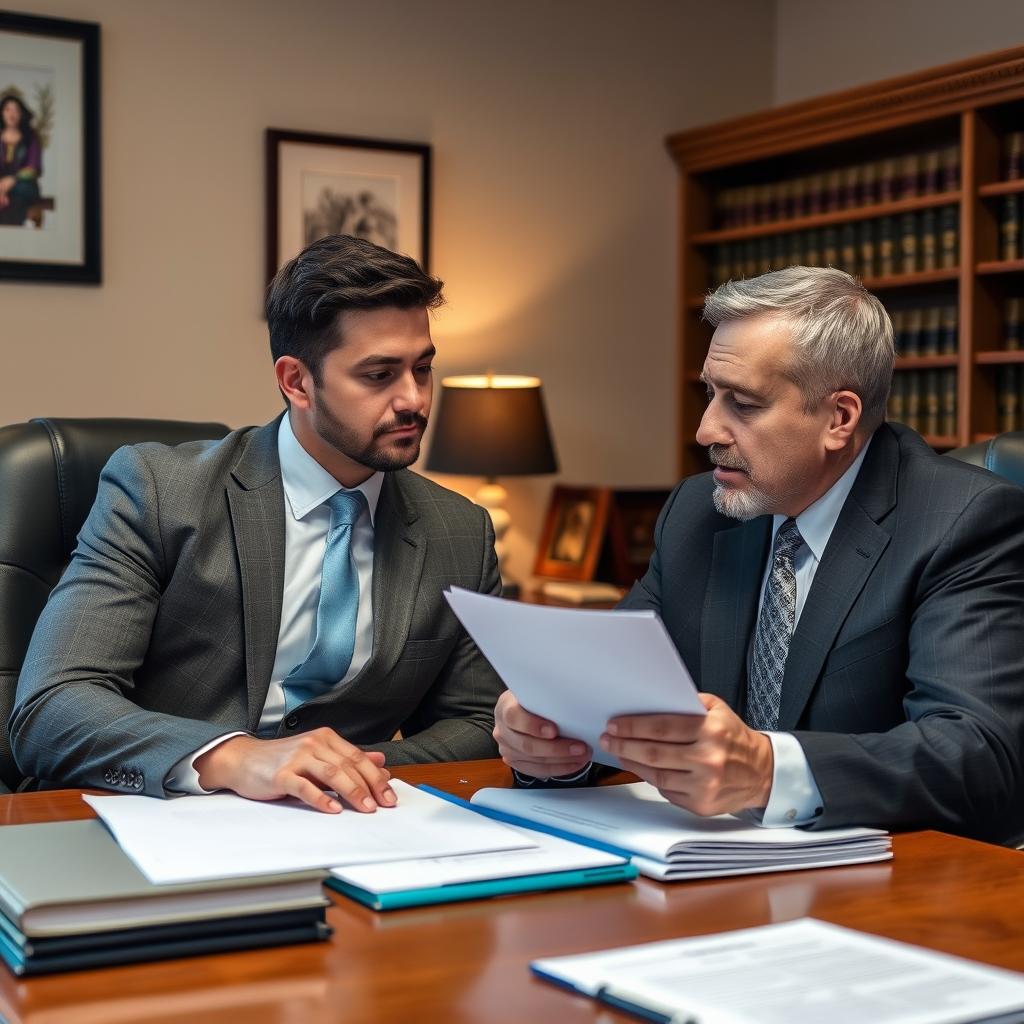
Traumatic Brain Injury Lawyer Seneca County, NY
A traumatic brain injury alters every aspect of life — your ability to work, your relationships, and your day-to-day independence. If a collision, a fall on unsafe property, or another person’s careless conduct in Waterloo, Seneca Falls, Ovid, or anywhere in Seneca County caused a TBI, you need counsel who understands New York injury law and how these complex medical claims unfold. Law Offices Of SRIS, P.C. represents individuals with traumatic brain injuries in civil claims for medical costs, lost income, rehabilitation, and the long-term harm that severe head trauma causes. Mr. Sris and the firm’s Of Counsel attorneys concentrate a substantial part of their practice on personal injury litigation, including those involving brain trauma. To discuss your situation, reach the firm at (888) 437-7747. Law Offices Of SRIS, P.C. – Advocacy Without Borders.
What Traumatic Brain Injury Claims Mean in Seneca County
Seneca County sits at the heart of New York’s Finger Lakes region, with its county seat in Waterloo. Personal injury claims arising within the county — whether from a motor vehicle collision on State Route 96, a fall on a commercial property in Ovid, or a construction accident near Lodi — are filed in the New York Supreme Court for Seneca County. The court is located at 48 West Williams Street, Waterloo, NY 13165, and operates during the court’s business hours. Understanding how a traumatic brain injury case moves through this court system is critical from the outset.
In New York, the statute of limitations for a personal injury claim, including one arising from a traumatic brain injury, is three years from the date of injury.
Source: N.Y. C.P.L.R. § 214(5). New York Civil Practice Law and Rules § 214
Reviewed by Mr. Sris, admitted in VA/MD/DC/NJ/NY.
For claims against a municipality or other governmental entity, shorter notice-of-claim deadlines apply, often measured in months rather than years. Missing any of these deadlines can permanently bar recovery, so promptly evaluating your claim is essential. Because traumatic brain injuries often develop slowly — symptoms may not fully manifest for weeks or months — early medical documentation and legal investigation preserve key evidence and stabilize your case before the statutory clock runs.
New York applies a pure comparative fault rule under CPLR Article 14-A: your recovery is reduced in proportion to any fault attributable to you, but you are not barred from recovering even if you were partly at fault. This stands in contrast to the much harsher contributory negligence rule in some other states. In cases involving motor vehicles, New York Insurance Law § 5102 imposes a “serious injury” threshold that a plaintiff must meet in order to recover non-economic damages such as pain and suffering. A traumatic brain injury — because it is a medically documented neurological impairment — typically satisfies that threshold, but your attorney must still present competent medical proof to the court.
How Mr. Sris and His Of Counsel Handle Traumatic Brain Injury Cases
Traumatic brain injury claims are not like ordinary accident claims. They require a detailed understanding of neuroanatomy, life-care planning, and the long-term cost of diminished cognitive function. Mr. Sris and the firm’s Of Counsel attorneys approach these cases by assembling the right medical experience and building a narrative that explains the injury’s impact on every part of your life.
The process begins with a thorough investigation of how the injury occurred — police reports, incident-site photographs, witness statements, and electronic data from vehicles or equipment all form the foundation. The firm works with neurologists, neuropsychologists, vocational rehabilitation attorneys, and life-care planners to quantify the full scope of your damages. New York’s no-fault insurance system may provide initial coverage for medical bills and lost wages regardless of fault, but for a serious injury like a TBI, the firm will also pursue a claim against the at-fault party for the full range of compensation that no-fault does not cover. When settlement is not possible on a fair basis, the firm tries the case before the court.
About Mr. Sris and His Of Counsel
Mr. Sris, Owner and Founder of Law Offices Of SRIS, P.C., is a former prosecutor and has practiced in multiple states since 1997. He is admitted to the bars of Virginia, Maryland, the District of Columbia, New Jersey, and New York. His experience includes handling complex civil personal injury matters, including those involving catastrophic injuries. He testified before the Virginia House Courts of Justice Committee in support of 2019 HB 635 (chief patron Del. David Bulova).
The firm’s Of Counsel attorneys bring extensive combined legal experience to traumatic brain injury litigation. While Mr. Sris leads the firm’s personal injury work, the Of Counsel attorneys contribute thorough knowledge of evidentiary rules, medical-legal advocacy, and trial preparation. Together, they work to achieve favorable outcomes for clients throughout the Finger Lakes region and across New York. Results may vary.
Frequently Asked Questions
What damages can I recover in a traumatic brain injury claim in New York?
A plaintiff with a traumatic brain injury may recover compensation for medical expenses, rehabilitation, lost wages, reduced future earning capacity, and pain and suffering. New York does not cap compensatory damages in personal injury cases. The “serious injury” threshold under Insurance Law § 5102 must be met in auto accident cases, which a documented TBI typically satisfies. A life-care planner’s analysis can project future needs, including home modifications, long-term therapy, and assistive devices. Every element of damages must be supported by credible evidence.
How does New York’s no-fault insurance system affect my TBI claim?
New York’s no-fault system pays your own medical bills and part of your lost wages regardless of fault, but for a serious injury like a traumatic brain injury, you can also pursue a liability claim against the at-fault driver. No-fault coverage has policy limits; once those are exhausted or the injury qualifies as “serious,” you may step outside the no-fault system and seek full compensation. Your attorney must file the necessary no-fault paperwork promptly to preserve your benefits.
Do I need an attorney for a traumatic brain injury case in Seneca County?
You are not legally required to have an attorney, but traumatic brain injury claims involve complex medical proof and legal deadlines that make experienced counsel critical. Identifying all potentially liable parties, securing expert testimony, and valuing future damages require professional skill. Attempting to negotiate directly with insurance adjusters without legal representation often results in a settlement that does not reflect the lifetime costs of a brain injury. For a consultation, reach Mr. Sris and his Of Counsel at (888) 437-7747.
How soon after an accident should I contact a TBI lawyer?
Contact a lawyer as soon as possible after a traumatic brain injury so that evidence is preserved and the statute of limitations is not missed. New York’s three-year filing deadline under CPLR § 214(5) begins on the date of injury, but waiting reduces the quality of available witness testimony, physical evidence, and medical records. If you do not contact counsel until years later, critical investigative steps may be lost. To discuss your specific timeline, call (888) 437-7747.
What if the person who caused my injury was partly at fault but I was too?
New York’s pure comparative fault rule reduces your recovery by your percentage of fault but does not eliminate it entirely. As long as you were not 100 percent responsible, you may still recover damages. This is an important distinction from other states’ laws, because it means you can still receive substantial compensation even if you share some blame. Your attorney will gather evidence to minimize the fault attributed to you and maximize your recovery.
Can my traumatic brain injury claim be settled without going to court?
Many TBI claims are resolved through settlement negotiations without a trial, but taking the matter to court remains an option if the at-fault party’s offer is insufficient. The decision to settle or try the case depends on the strength of the evidence, the extent of the damages, and the defendant’s willingness to negotiate fairly. The firm works to secure the most favorable outcome in your circumstances, whether through settlement or litigation.
Related locations we serve: New York County (Manhattan) Personal Injury Lawyer · Kings County (Brooklyn) Personal Injury Lawyer · Queens County Personal Injury Lawyer
Attorney advertising. Prior results do not guarantee a similar outcome. Case results depend on a variety of factors unique to each case. Results may vary. Attorney responsible for this advertising: Mr. Sris.