
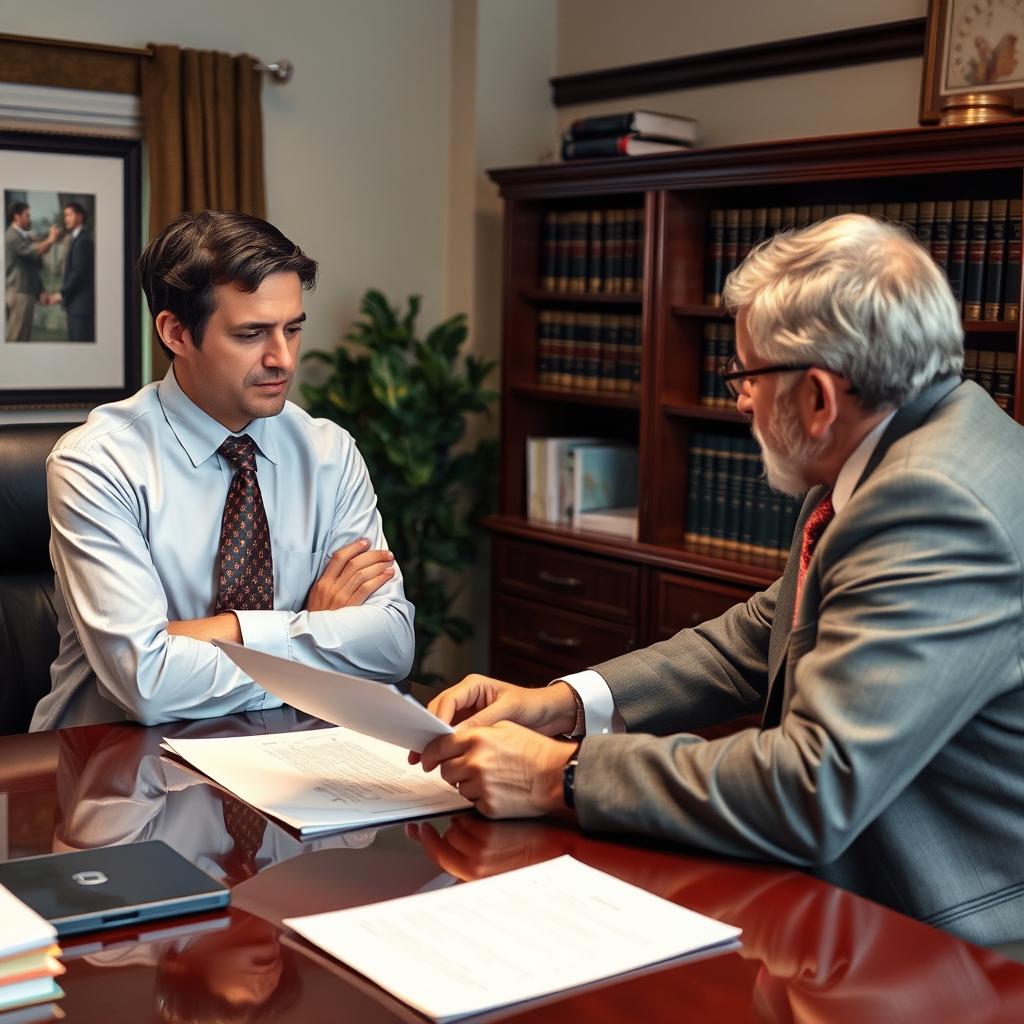
Catastrophic Injury Lawyer Schoharie County, NY
When an accident leaves you or a family member with life-altering injuries in the Mohawk Valley, the legal path forward can seem overwhelming. Law Offices Of SRIS, P.C. represents clients in Schoharie County who have suffered catastrophic injuries—including traumatic brain injuries, spinal cord damage, severe burns, amputations, and other injuries requiring extensive medical treatment and altering the course of a person’s life. Our firm understands that a catastrophic injury in a rural community like Schoharie County brings challenges that extend beyond the hospital: lost income, the need for in-home care, modifications to homes and vehicles, and uncertainty about the future. Mr. Sris, Owner and Founder of Law Offices Of SRIS, P.C., and the firm’s Of Counsel attorneys work with injured clients and their families to pursue compensation that accounts for the full scope of these losses. To discuss your situation with an attorney, call (888) 437-7747. Law Offices Of SRIS, P.C. – Advocacy Without Borders.
What Catastrophic Injury Means in Schoharie County
In New York, “catastrophic injury” is not a single statutory category but a widely recognized term for injuries that result in permanent disability, significant disfigurement, or a lifetime of medical and supportive needs. Claims arising from these injuries are governed by New York’s personal-injury laws, including the pure comparative-fault rule under CPLR Article 14-A and the three-year statute of limitations for negligence actions under N.Y. C.P.L.R. § 214(5). For residents of Schoharie County, a catastrophic injury often means traveling out of the area for specialized treatment, adding layers of logistical and financial strain that must be accounted for in a civil claim.
Personal injury cases in Schoharie County are typically filed in New York Supreme Court, Schoharie County, which sits at 290 Main Street in Schoharie and serves the 3rd Judicial District. The court’s calendar and local practice influence the pace of a case, and familiarity with the venue can matter when pursuing a claim that involves extensive medical evidence, expert testimony, and a detailed assessment of future damages. Law Offices Of SRIS, P.C. Appears in Schoharie County Supreme Court on behalf of injured clients and works to ensure that the full picture of a catastrophic injury is presented clearly and persuasively.
How Mr. Sris and the Firm’s Of Counsel Attorneys Handle Catastrophic Injury Cases
Catastrophic injury claims demand thorough investigation and careful case-building from the earliest stage. Mr. Sris and the firm’s Of Counsel attorneys work to gather and preserve medical records, accident reports, witness statements, and, where necessary, testimony from medical, vocational, and economic attorneys. In a catastrophic injury matter, the value of a claim often turns on the strength of the evidence documenting the future impact of the injury—the need for lifelong care, lost earning capacity, and the profound effect on the injured person’s quality of life. The firm’s approach is to build a record that supports the full scope of damages New York law allows.
Because New York applies a pure comparative-fault standard, an injured person can still recover even if they were partly responsible for the accident, though their recovery will be reduced by their percentage of fault. This makes a careful assessment of liability critical. The firm’s attorneys evaluate how the accident occurred, identify all potentially responsible parties, and negotiate with insurance carriers from a position informed by the evidence. Should a fair settlement not be reached, the firm is prepared to proceed to trial in Schoharie County Supreme Court. The timeline of any case varies with its complexity and the court’s scheduling, and the firm works to move the matter forward efficiently while protecting the client’s interests.
About Mr. Sris and the Firm’s Of Counsel Attorneys
Mr. Sris, Owner and Founder of Law Offices Of SRIS, P.C., has practiced law since 1997 and is admitted in Virginia, Maryland, the District of Columbia, New Jersey, and New York. A former prosecutor, Mr. Sris brings trial experience and a practical understanding of how evidence is tested in court. He testified before the Virginia House Courts of Justice Committee in support of 2019 HB 635 (chief patron Del. David Bulova). Mr. Sris and the firm’s Of Counsel attorneys bring extensive combined legal experience to catastrophic injury matters. Results may vary.
The firm’s Of Counsel attorneys are independent practitioners who contract directly with Law Offices Of SRIS, P.C. They contribute experience in personal injury litigation, insurance negotiations, and trial advocacy. Together, Mr. Sris and the firm’s Of Counsel attorneys concentrate their practice on helping injured clients navigate the legal system and pursue the compensation they need to move forward. For a consultation about a catastrophic injury claim in Schoharie County, call (888) 437-7747.
Frequently Asked Questions
What is considered a catastrophic injury in a New York personal injury case?
A catastrophic injury is a severe injury that causes long-term or permanent impairment, such as a traumatic brain injury, spinal cord injury, amputation, severe burns, or multiple fractures requiring extensive surgeries. While New York law does not define “catastrophic injury” as a standalone legal category, the term is used to describe injuries that dramatically alter a person’s life and generate substantial future damages. In motor-vehicle cases, the “serious injury” threshold under Insurance Law § 5102 serves a similar function, but a catastrophic injury often exceeds that threshold by a wide margin. Because these injuries demand a detailed projection of future medical costs, lost earnings, and pain and suffering, experienced legal representation can be critical to ensuring the claim reflects the full extent of the harm.
How long do I have to file a catastrophic injury claim in Schoharie County?
Generally, a personal-injury claim in New York, including a catastrophic injury claim, must be filed within three years from the date of the injury under N.Y. C.P.L.R. § 214(5). For a wrongful-death claim arising from a catastrophic injury, the deadline is two years from the date of death under N.Y. E.P.T.L. § 5-4.1. Claims against a municipality or public entity may require a notice of claim within 90 days. Missing the applicable deadline can bar the claim entirely. Because the specific deadline depends on the nature of the claim and the parties involved, it is prudent to consult an attorney promptly to preserve your rights.
What damages can I recover in a catastrophic injury case in New York?
You may recover economic damages such as past and future medical expenses, lost wages, and loss of earning capacity, as well as non-economic damages for pain and suffering and loss of enjoyment of life. New York does not cap compensatory damages in most personal injury cases, so the amount recoverable depends on the severity of the injury and its proven impact. In a catastrophic injury case, future medical and rehabilitative care, home modifications, and the cost of lifelong assistance often constitute a significant portion of the claim. A spouse or family member may also have a claim for loss of consortium. Each element of damage must be supported by evidence, which is why thorough documentation is essential.
What if I was partly at fault for the accident that caused my catastrophic injury?
Under New York’s pure comparative-fault rule (CPLR Article 14-A), you can still recover compensation even if you were partly at fault, but your recovery will be reduced by your percentage of fault. For example, if a court finds you were 20 percent responsible for the accident and your damages total one million dollars, your recoverable damages would be reduced to $800,000. This rule differs from the contributory-negligence standard in some other states, where any fault on the part of the plaintiff can bar recovery entirely. An attorney can help assess how fault may be allocated and present evidence that supports your position on liability.
Do I need a lawyer for a catastrophic injury claim in Schoharie County?
You are not legally required to have a lawyer to pursue a personal injury claim, but catastrophic injury cases involve complex medical, legal, and financial issues that are difficult to manage without experienced legal guidance. Proving the full extent of future damages often requires working with medical attorney, life-care planners, and economists. Insurance companies frequently dispute the severity and long-term cost of catastrophic injuries. An attorney can handle the investigation, negotiate with insurers, and, if necessary, litigate the case in Schoharie County Supreme Court. For a consultation about your situation, reach Law Offices Of SRIS, P.C. at (888) 437-7747.
How does the claims process work in Schoharie County Supreme Court?
After an initial investigation and demand, most personal injury claims involve a period of negotiation with the at-fault party’s insurance carrier before a lawsuit is filed in Schoharie County Supreme Court. If a settlement is not reached, the case proceeds through the filing of a summons and complaint, discovery (including depositions and exchange of expert reports), and possibly pretrial motions. The court may schedule a preliminary conference and later a compliance conference to manage deadlines. Cases that do not settle are placed on the trial calendar after a note of issue is filed. The timeline varies, and the court’s schedule and the complexity of the case are significant factors.
Additional Locations We Serve: Mr. Sris and the firm’s Of Counsel attorneys also represent personal injury clients elsewhere in New York State, including New York County, Kings County, Queens County, and Nassau County.
Official Resources: For additional information on New York’s statute of limitations for personal injury, see the New York CPLR § 214. Information on local court operations is available through the Schoharie County Supreme Court website.
Attorney advertising. Prior results do not guarantee a similar outcome.
Case results depend on a variety of factors unique to each case.
Results may vary.