
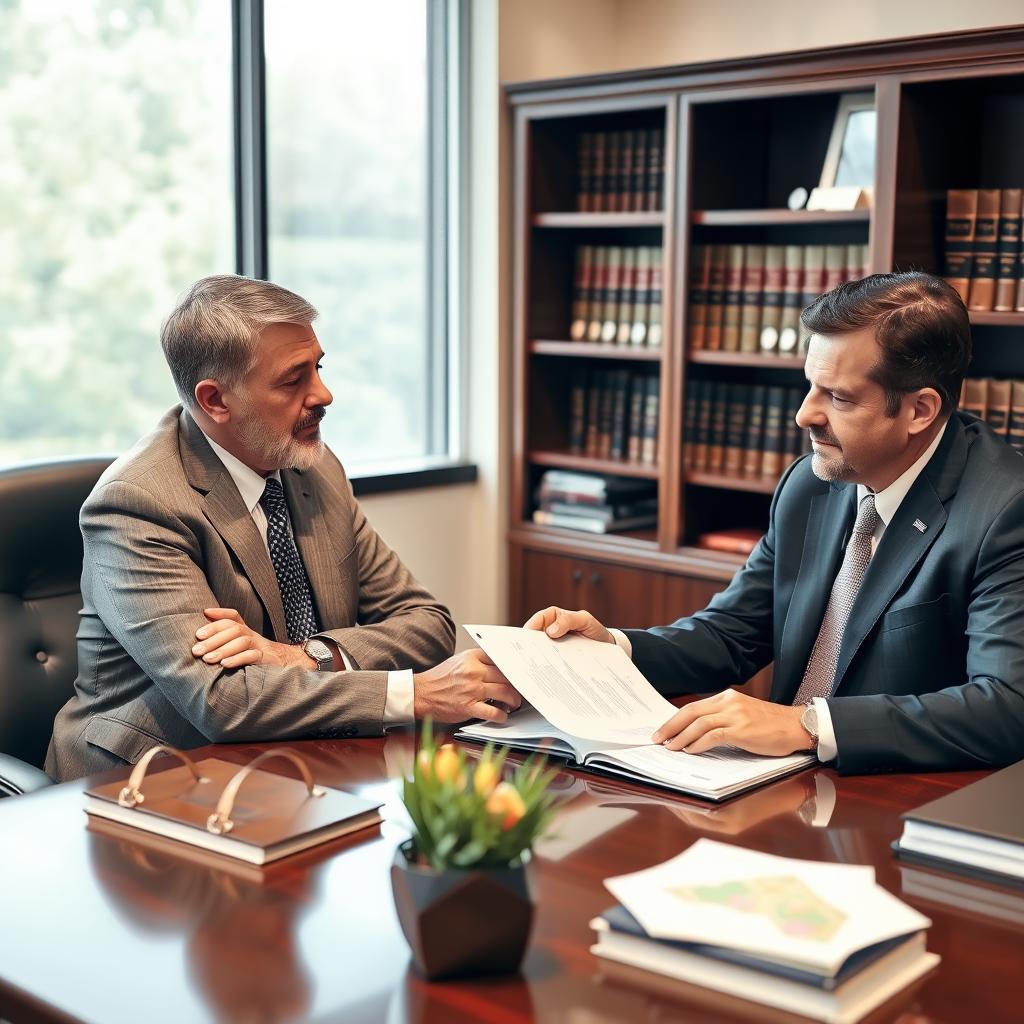
Spinal Cord Injury Lawyer Schoharie County, NY
A spinal cord injury is a life-altering event that demands immediate, experienced legal attention. In Schoharie County, residents who have sustained a spinal cord injury through another party’s negligence need a personal injury lawyer who understands both the medical complexities and the procedural landscape of the New York Supreme Court, Schoharie County. Law Offices Of SRIS, P.C., founded in 1997, represents injured individuals throughout the Mohawk Valley, including Schoharie, Cobleskill, Middleburgh, Sharon Springs, Richmondville, and Esperance. Mr. Sris and the firm’s Of Counsel attorneys bring extensive combined legal experience to spinal cord injury claims, working to secure compensation for medical care, lost income, and the profound life changes that follow a catastrophic injury. To request a consultation, reach Law Offices Of SRIS, P.C. at (888) 437-7747. Law Offices Of SRIS, P.C. – Advocacy Without Borders.
What Spinal Cord Injury Claims Mean in Schoharie County
Spinal cord injury litigation in Schoharie County is filed in the New York Supreme Court, Schoharie County, located at 290 Main Street, Schoharie, NY 12157, within the 3rd Judicial District. The Supreme Court has unlimited original jurisdiction over personal injury matters, meaning there is no monetary cap on the damages a plaintiff may recover. A spinal cord injury case generally arises from a motor vehicle accident, a fall on a dangerous property, a construction site incident, or an act of medical negligence. The injured party must prove that the defendant owed a duty of care, breached that duty, and directly caused the spinal cord damage.
New York law imposes a three-year statute of limitations for personal injury claims under N.Y. C.P.L.R. § 214(5), running from the date of the injury. If the claim is against a municipality or public entity, a Notice of Claim must be served within 90 days of the incident—a deadline that cannot be extended by the court in most circumstances. Missing either deadline bars the claim entirely. In auto accident cases, New York’s no-fault insurance system requires the injured party to first seek coverage through their own personal injury protection benefits before pursuing a liability claim, unless the spinal cord injury meets the “serious injury” threshold defined by Insurance Law § 5102. New York applies a pure comparative fault rule, meaning a plaintiff’s recovery is reduced by their percentage of fault, but even a largely at-fault plaintiff may recover some damages.
How Mr. Sris and the Firm’s Of Counsel Attorneys Handle Spinal Cord Injury Cases
Spinal cord injury claims require a thorough, evidence-based approach from the outset. Mr. Sris and the firm’s Of Counsel attorneys begin by gathering all relevant medical records, diagnostic imaging, and treating physician assessments to document the nature and extent of the injury. They review accident reports, interview witnesses, and consult with life-care planners and medical experts to project the lifetime cost of care. Because spinal cord injuries often result in permanent disability, the calculation of future damages—including ongoing rehabilitation, home modifications, and lost earning capacity—is a central focus of preparation.
The firm’s Of Counsel attorneys negotiate with insurance carriers and, when necessary, present the case at trial in the New York Supreme Court, Schoharie County. New York’s procedural path includes a preliminary conference, compliance conference, and the filing of a Note of Issue to place the case on the trial calendar. Throughout the process, the firm works to position the claim for a resolution that reflects the full scope of the harm. No outcome can be guaranteed, and results vary. Prior results do not guarantee a similar outcome.
About Mr. Sris and the Firm’s Of Counsel Attorneys
Mr. Sris, Owner and Founder of Law Offices Of SRIS, P.C., founded the firm in 1997 after serving as a former prosecutor. He is admitted to practice in Virginia, Maryland, the District of Columbia, New Jersey, and New York. Mr. Sris testified before the Virginia House Courts of Justice Committee in support of 2019 HB 635 (chief patron Del. David Bulova). His experience in the courtroom and understanding of how opposing parties evaluate injury claims informs the firm’s approach to every spinal cord injury matter.
The firm’s Of Counsel attorneys work alongside Mr. Sris, contributing their own litigation experience and subject-matter knowledge. Together, they bring extensive combined legal experience to personal injury representation in Schoharie County. The firm maintains a New York location in Buffalo and serves clients throughout the state, including those who live in the Schoharie Valley and surrounding communities. To discuss a spinal cord injury claim, call (888) 437-7747.
Frequently Asked Questions
How long do I have to file a spinal cord injury lawsuit in Schoharie County?
You generally have three years from the date of the spinal cord injury to file a personal injury lawsuit in New York. The statute of limitations is set by N.Y. C.P.L.R. § 214(5). However, if your claim involves a municipal defendant—such as a county vehicle or a public building—you must serve a Notice of Claim within 90 days. The clock runs from the date of the accident, and a missed deadline usually means the case is dismissed. Prompt investigation and filing are critical. For guidance on your specific situation, reach Law Offices Of SRIS, P.C. at (888) 437-7747.
What types of compensation can I recover for a spinal cord injury in New York?
Economic and non-economic damages may be recoverable, including medical expenses, lost wages, pain and suffering, and the cost of future care. Because a spinal cord injury often requires lifelong treatment, a life-care plan is typically developed to estimate future rehabilitation, assistive technology, and home modifications. New York does not cap compensatory damages in most personal injury cases. The amount of compensation depends on the severity of the injury, the degree of fault, and the available insurance coverage. To discuss the details of your matter, contact Law Offices Of SRIS, P.C. at (888) 437-7747.
Do I need a lawyer for a spinal cord injury case in Schoharie County?
While you are not required to have an attorney, spinal cord injury claims involve complex medical evidence, insurance negotiations, and court procedures that are difficult to manage without legal representation. An experienced personal injury lawyer can identify all liable parties, secure expert testimony, and counter the tactics of insurance adjusters who may seek to minimize the value of your claim. Missing procedural deadlines or failing to document the full extent of future damages can significantly reduce recovery. For a consultation, reach Mr. Sris and the firm’s Of Counsel attorneys at (888) 437-7747.
How does New York’s pure comparative fault rule affect my spinal cord injury case?
Under New York’s pure comparative fault rule, your recovery is reduced by the percentage of fault attributed to you, but you can still collect damages even if you were mostly at fault. For example, if you are found 30% responsible for the accident and your damages total $1 million, your recovery would be reduced to $700,000. This contrasts with the complete bar that applies in contributory negligence states. Insurance companies often try to shift blame onto the injured party, so building a strong liability case from the start is essential. Contact Law Offices Of SRIS, P.C. at (888) 437-7747 to speak with an attorney about liability in your case.
What is the “serious injury” threshold and how does it apply to spinal cord injuries?
In a New York auto accident claim, you must prove that your injury meets the “serious injury” threshold under Insurance Law § 5102 to sue for pain and suffering. A spinal cord injury, by its nature, typically qualifies because it involves a significant limitation of a body function or system, or a permanent loss of use. However, the insurance carrier may dispute this, especially in cases of incomplete spinal cord injuries where function is partially retained. Medical evidence must clearly establish the severity and permanence of the injury. To discuss your claim, reach Law Offices Of SRIS, P.C. at (888) 437-7747.
How are future medical costs calculated in a spinal cord injury lawsuit?
Future medical costs are calculated with the help of life-care planners and medical experts who project the lifetime expenses associated with the spinal cord injury. These projections include ongoing physical therapy, occupational therapy, psychological counseling, durable medical equipment, prescription medications, and home health aide services. The present value of these future costs is then computed and presented as part of the damages demand. Because each spinal cord injury is unique, the calculation is customized to the individual’s specific medical needs and life expectancy. For a consultation, reach Mr. Sris and the firm’s Of Counsel attorneys at (888) 437-7747.
Can I bring a wrongful death claim if a loved one died from a spinal cord injury?
Yes, if a spinal cord injury results in death, the personal representative of the decedent’s estate may bring a wrongful death claim in New York. The statute of limitations for wrongful death is two years from the date of death under N.Y. E.P.T.L. § 5-4.1. Damages in a wrongful death action may include funeral expenses, medical costs incurred before death, loss of financial support, and loss of parental guidance and companionship. The claim is separate from a survival action, which seeks compensation for the pain and suffering the decedent endured before death. To discuss the details of your matter, contact Law Offices Of SRIS, P.C. at (888) 437-7747.
What should I do immediately after a spinal cord injury accident in Schoharie County?
Seek immediate medical attention and follow your doctor’s treatment plan without interruption. Beyond medical care, report the accident to the appropriate parties—whether that is a property owner, employer, or law enforcement. Document the scene if possible, and preserve any evidence such as photographs, witness contact information, and the clothing or equipment involved. Do not give a recorded statement to an insurance company without legal advice. Contact an attorney as soon as feasible to ensure that evidence is preserved and statutory deadlines are met. To speak with an attorney, reach Law Offices Of SRIS, P.C. at (888) 437-7747.
How much does it cost to hire a spinal cord injury lawyer?
Law Offices Of SRIS, P.C. handles spinal cord injury cases on a contingency fee basis, meaning you pay no attorney’s fee unless the firm recovers compensation for you. The fee is a percentage of the recovery, as permitted by New York law. Costs of litigation, such as court filing fees, expert witness charges, and deposition expenses, are typically advanced by the firm and reimbursed from the recovery. During an initial consultation, the fee arrangement will be fully explained in writing. Call (888) 437-7747 to request a consultation and learn more about the cost structure.
Will my spinal cord injury case go to trial in Schoharie County?
Most personal injury cases settle before trial, but the firm prepares every spinal cord injury matter as if it will be tried in the New York Supreme Court, Schoharie County. Settlement negotiations can occur at any stage, often after the completion of discovery when both sides have a full picture of the evidence. If a fair settlement cannot be reached, the case proceeds to trial, where a jury determines liability and damages. The firm’s Of Counsel attorneys have courtroom experience and are prepared to present a compelling case. Results may vary.
Related Locations: New York County Personal Injury Lawyer | Kings County Personal Injury Lawyer | Queens County Personal Injury Lawyer | Nassau County Personal Injury Lawyer
Official Sources: Schoharie County Supreme Court | N.Y. C.P.L.R. § 214(5) (Statute of Limitations) | N.Y. E.P.T.L. § 5-4.1 (Wrongful Death)
Attorney advertising. Prior results do not guarantee a similar outcome. Case results depend on a variety of factors unique to each case. Results may vary.